Why Do Some Dogs Have “Popped-Out” Eyes?
The surprising science behind those big, soulful stares
If you’ve ever locked eyes with a Pug or a Shih Tzu, you know the feeling — those large, round, almost human-like eyes that seem to tell a thousand stories.
But have you ever wondered why some dogs’ eyes look like they’re popping out?
It’s not random. It’s not accidental. And it’s definitely not just “because they’re cute.”
There’s an entire story of genetics, evolution, and human preference behind those expressive eyes.
The Role of Face Shape: Beauty by Design
Certain breeds like the Pekingese and Boston Terrier belong to a group called brachycephalic dogs — meaning they have shortened skulls and flat faces.
When the snout becomes shorter over generations of selective breeding, the skull compresses. However, the size of the eyeballs doesn’t shrink proportionally. The result?
The eyes sit in shallower eye sockets, making them appear more prominent — or as people say, “popped out.”
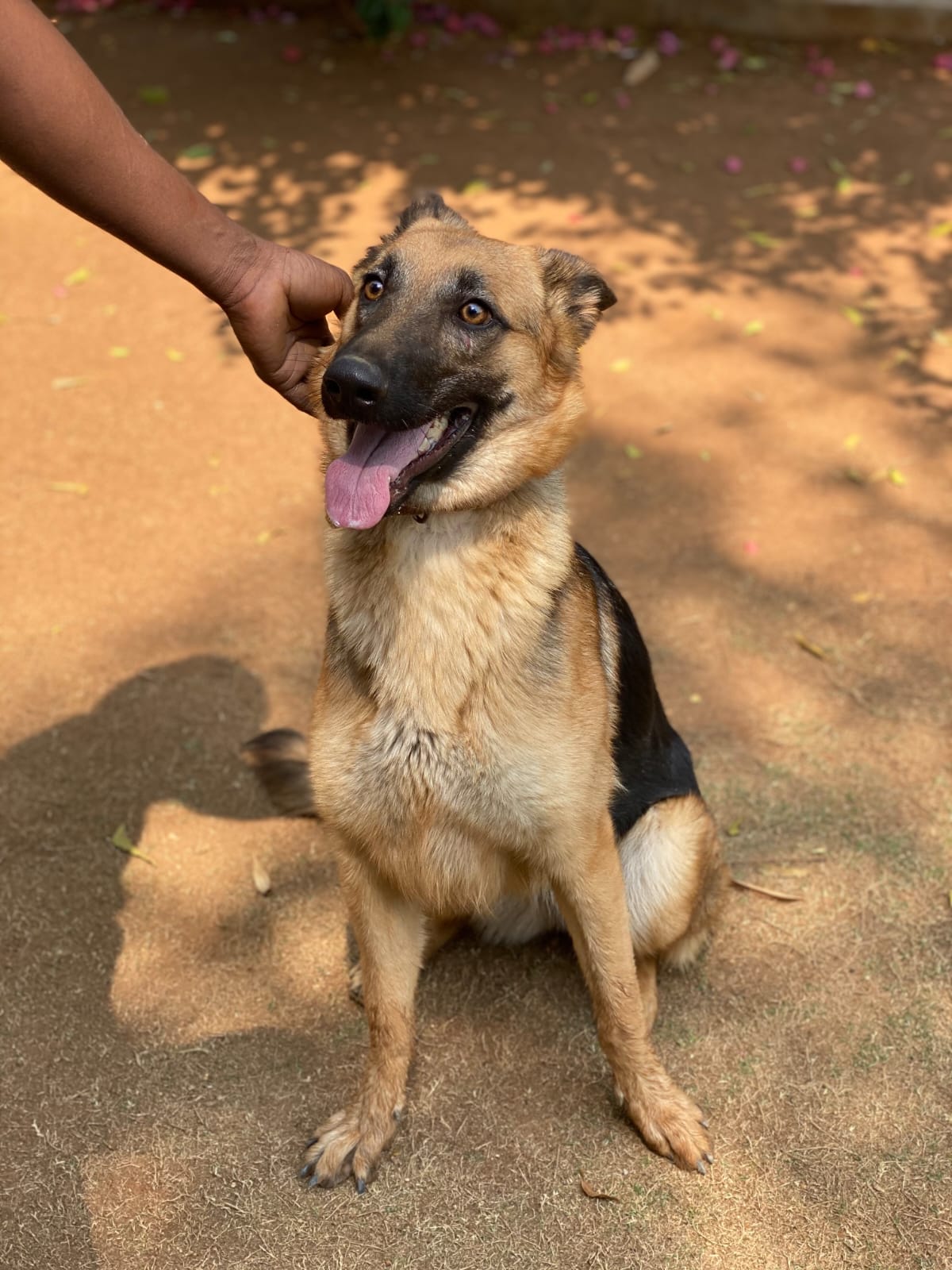
In contrast, breeds like the German Shepherd or Labrador Retriever have longer snouts and deeper eye sockets. Their eyes are better protected by bone structure, which is why they don’t appear as pronounced.
So those big eyes aren’t a defect — they’re a structural outcome of selective breeding.
Why Humans Fell in Love With Big Eyes
There’s also psychology involved.
Humans are naturally drawn to baby-like features:
- Large eyes
- Round faces
- Small noses
These traits trigger nurturing instincts. Over time, breeders selected dogs that looked more “infant-like,” enhancing those features generation after generation.
In simple words — we shaped them to look that way because we found it adorable.
But Is It Safe?
Here’s where things get serious.
Because these dogs have shallow eye sockets, their eyes are more exposed. That makes them more vulnerable to:
- Corneal scratches
- Dry eye conditions
- Infections
- Even proptosis (where the eye can displace due to trauma)
A minor bump during rough play can sometimes cause more damage in flat-faced breeds than in longer-muzzled dogs.
That doesn’t mean something is “wrong” with them — it just means they need mindful care.
Living With a Big-Eyed Breed
Owning a dog with prominent eyes means being a little more cautious.
Using a harness instead of a tight collar reduces pressure around the neck. Regular cleaning of eye discharge prevents infection. Routine vet checks help detect dryness or ulcers early.
And most importantly — supervision during playtime matters.
Those beautiful eyes are delicate.
Dogs don’t have “popped-out eyes” by accident. It’s a combination of genetics, skull structure, and years of human preference for expressive features.
They look dramatic. They look emotional. They look lovable.
But behind those eyes is anatomy that requires understanding and responsibility.
Let’s Talk!
Do you have a big-eyed breed at home?
Have you ever noticed excessive tearing or eye redness?
Share your experience in the comments — your story might help another pet parent.
Follow us for more science-backed, practical dog care insights. Because loving your dog means understanding them.
Get In Touch
+91 90000 04099
connect@progressivecanines.com
Survey 41/42, Inside the Wilderness Retreat Resort, Beside CBIT College, Kokapet, Gandipet, Hydrabad – 500075