
Guard Dog Training: What It Is, How It Works, and Why It’s Important Today!
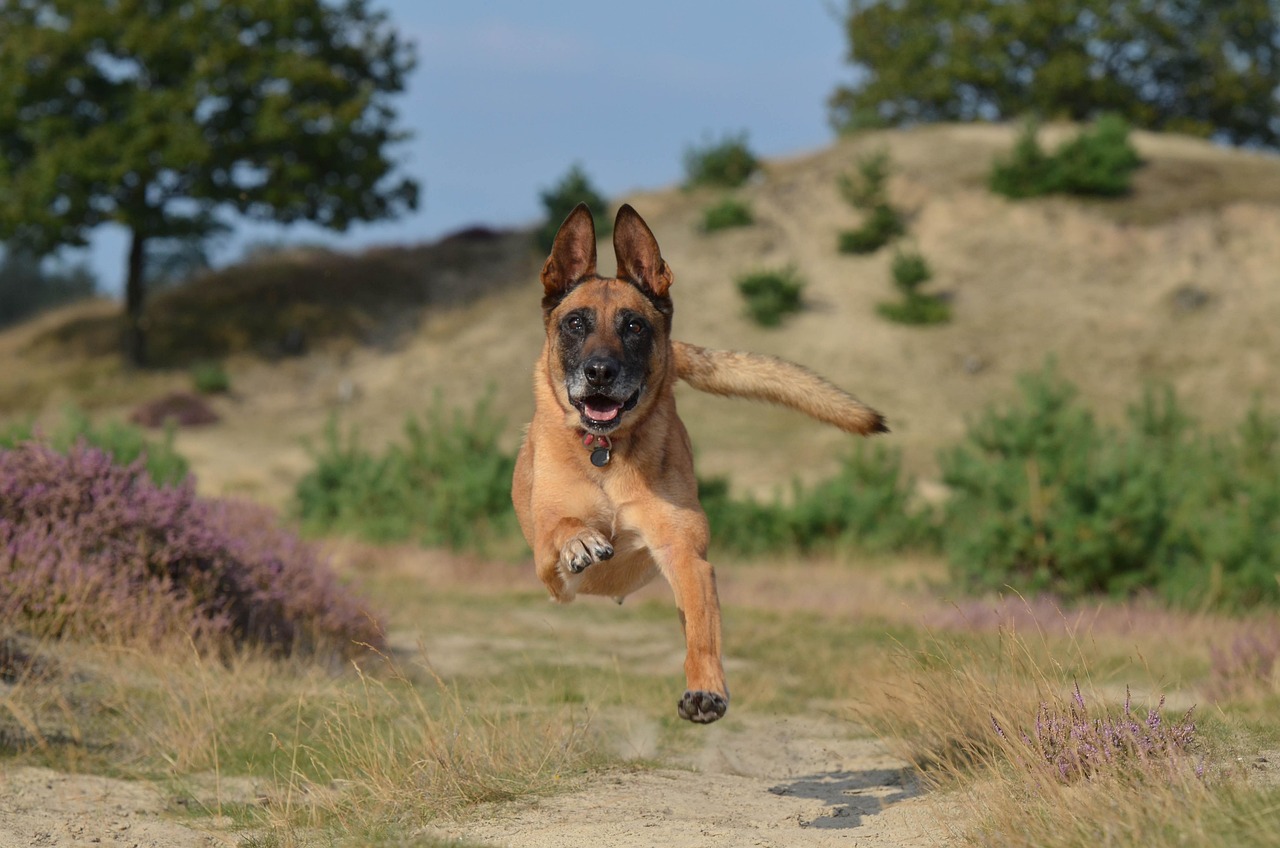
Guard dog training is often misunderstood. Many people assume it means making a dog aggressive or dangerous. In reality, professional guard dog training is about control, discipline, and intelligent protection — not fear or uncontrolled behavior.
At Progressive Canines, we approach guard dog training as a structured system that builds confidence, obedience, and clear decision-making in dogs.
What Does Guard Dog Training Actually Mean?
Guard dog training teaches a dog how to protect people or property while remaining calm and obedient in everyday life. A trained guard dog understands when to stay neutral and when to respond to a real threat.
This training focuses on awareness, alertness, and controlled response. The dog learns to recognize unfamiliar or suspicious behavior, alert the handler, and act only when required. A well-trained guard dog is safe around family members, staff, and visitors — and alert when something feels wrong.
Why Guard Dog Training Is Becoming Important
With increasing security concerns around homes, warehouses, construction sites, and private properties, many people are looking beyond cameras and alarms. Technology can record incidents, but a trained dog can prevent them.
Guard dogs provide a strong visual deterrent, continuous presence, and the ability to assess situations in real time. Unlike machines, dogs can read body language, movement, and intent.
How Guard Dog Training Works
Every guard dog training program begins with temperament evaluation. Not every dog is suited for protection work. Confidence, stability, and trainability are essential.
Once a dog is selected, the foundation starts with obedience training. Commands like sit, stay, recall, and heel are critical. Control always comes before protection.
The next phase is environmental conditioning, where the dog is gradually exposed to different sounds, people, and situations. This helps the dog stay calm under pressure and prevents fear-based reactions.
Only after these steps does protection training begin. The dog is taught to identify real threats and respond in a controlled manner. Advanced protection or bite work, if required, is done strictly under professional supervision with trained decoys and clear safety protocols.
Equally important is handler training. Owners or security staff are trained to handle, command, and manage the dog correctly. A trained dog without a trained handler can become a risk.
What Guard Dog Training Is Not
Guard dog training does not involve making a dog aggressive, angry, or fearful. It does not rely on force or punishment. True guard training creates confident, stable dogs that can switch between calm and protective behavior instantly.
Who Needs Guard Dog Training?
Guard dog training is suitable for villas, farmhouses, warehouses, industrial units, construction sites, and businesses that require reliable on-site security. It is also useful for individuals seeking personal protection, provided the dog and handler are properly trained.
Final Thought
A guard dog is not trained to attack.
A guard dog is trained to think, obey, and protect responsibly.
When done professionally, guard dog training offers security, control, and peace of mind — not danger.
Get In Touch
+91 90000 04099
connect@progressivecanines.com
Survey 41/42, Inside the Wilderness Retreat Resort, Beside CBIT College, Kokapet, Gandipet, Hydrabad – 500075