
Are You Accidentally Rewarding Bad Behavior?
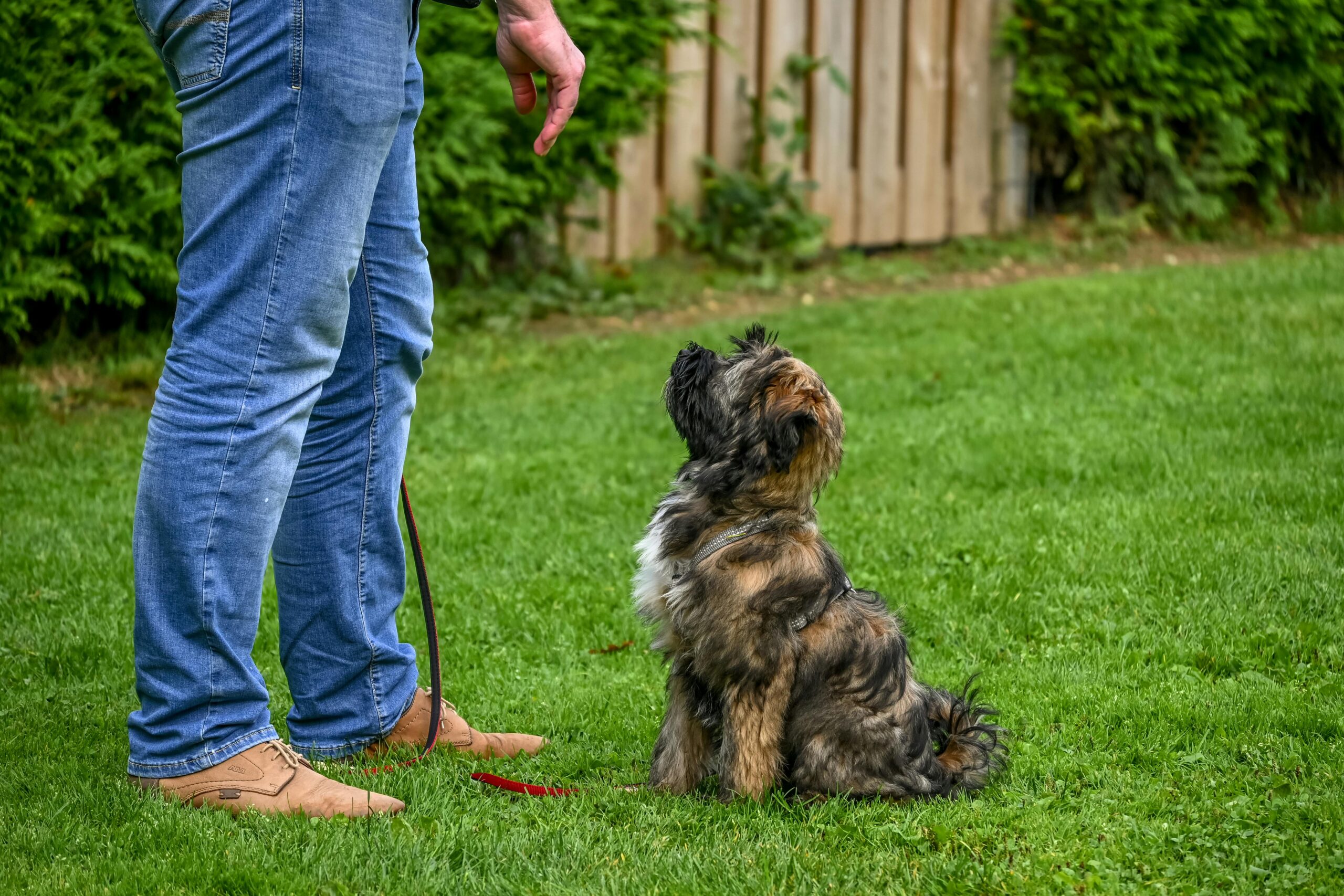
Small mistakes. Big behavior problems. Fix what’s holding your dog back.
Introduction
Most dog owners think their dog is “stubborn” or “not listening.”
But in reality, many behavior problems are not the dog’s fault—they’re the result of unintentional training mistakes.
Dogs don’t misbehave randomly. They respond to patterns, consistency, and clarity. When those are missing, confusion shows up as bad behavior.
Let’s look at the mistakes that silently make things worse.
1.Inconsistency Creates Confusion
Dogs learn through repetition and clarity. When commands keep changing—“sit,” “sit down,” “down”—they don’t understand what is expected.
Over time, this inconsistency leads to hesitation and slow responses.
The solution is simple: use one clear command for each behavior and ensure everyone around the dog follows the same language.
2.Repeating Commands Reduces Their Value
When a command is repeated multiple times, it loses importance. The dog starts believing that listening on the first cue is optional.
This habit builds delayed responses and selective listening.
Instead, give the command once and follow through with guidance. This teaches your dog that your words have meaning.
3.Timing of Rewards Matters More Than You Think
Rewarding at the wrong moment can reinforce unwanted behavior without you realizing it.
For example, giving attention or treats when a dog is jumping or overly excited encourages that exact behavior to repeat.
The key is to reward calm, correct actions—this is how dogs understand what works.
4.Lack of Routine Slows Down Progress
Training once in a while doesn’t create results. Dogs thrive on routine, and irregular training leads to inconsistent behavior.
Without repetition, learning never becomes habit.
Short, daily sessions are far more effective than occasional long ones. Consistency builds reliability.
5.Unused Energy Turns Into Bad Behavior
A dog with excess energy will always find an outlet—and it’s usually not something you’ll like.
Chewing, barking, pulling, or restlessness are often signs of unmet physical and mental needs.
Structured walks, playtime, and mental stimulation are essential, not optional.
6.Fear-Based Reactions Break Trust
Reacting with anger, shouting, or punishment may stop behavior temporarily, but it damages trust.
The dog doesn’t learn what to do—it only learns what to avoid.
Clear communication, calm corrections, and positive reinforcement create lasting results without fear
7.Mixed Signals Lead to Unclear Boundaries
Allowing a behavior sometimes and correcting it at other times confuses the dog.
If jumping is allowed occasionally, the dog assumes it’s always acceptable.
Consistency in rules is what builds discipline. Clear boundaries create clear behavior.
8.Expecting Instant Results Causes Frustration
Training is a process, not an overnight fix. Expecting quick results often leads to frustration and giving up too early.
Dogs learn step by step. Progress may be slow, but it is steady when done right.
Patience is not optional—it’s part of the training itself.
Final Thought
Behavior problems don’t appear overnight—and they don’t fix overnight either.
Every interaction with your dog is teaching something. The real question is whether it’s teaching the right thing.
When you fix the approach, the behavior follows.
If you’re facing these challenges and want structured, professional guidance:
At Progressive Canines, we focus on building clarity, discipline, and real results—for both dogs and owners.
📞 Call/WhatsApp: 7207904099
🌐 Visit: www.progressivecanines.com
👉 Start your dog’s transformation today.
Get In Touch
+91 90000 04099
connect@progressivecanines.com
Survey 41/42, Inside the Wilderness Retreat Resort, Beside CBIT College, Kokapet, Gandipet, Hydrabad – 500075